Simple and spectacular at the same time: the aquatic garden is a concentrate of harmony and zenitude. Installing and cultivating it at home costs three times nothing.
Placed on a piece of furniture, on a table or on the floor, the miniature water garden offers a spectacle that is both soothing and fascinating. Simple jar with a small plant, covered covered with water lenses or mini-basin mixing very different sizes and varieties: the possibilities are multiple.
Choose the right container
Aquatic plants appreciate a bright place, but sheltered from the direct sun. They will live longer in a room neither too hot nor too cold. For the container, some recommendations too:
- Recover an old aquarium, a large translucent vase, a small barrel, a basin, etc.
- Check its waterproofing and clean it carefully.
- If you place your mini-basin on a shelf or on a buffet, opt for a high and narrow vase. On the other hand, if you put it on a table (of extra, living room, etc.), prefer a large and low model. It will be perfect for floating plants or marsh plants, very pleasant to look from above.
- The vase should not necessarily be transparent. Opaque, it limits the formation of algae and therefore cleaning, but you will no longer have the possibility of admiring the roots.
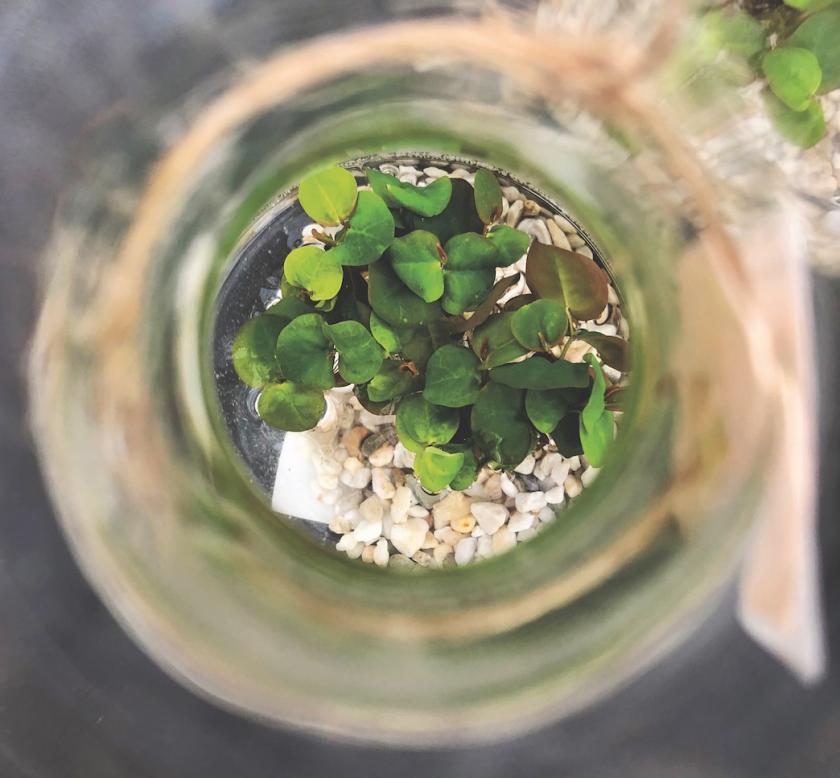
Planting
- Pour a layer of 2 to 3cm of special aquatic plants or aquarium gravel in the bottom of the container.
- Pour water (mineral or rain). Let it sit for a day or two.
- Remove the aquatic plants from their pot. Dig small wells in the gravel and install the plants gently. Cover the bottom with a layer of gravel or small pebbles. If you use bank plants, make sure they are not completely immersed.
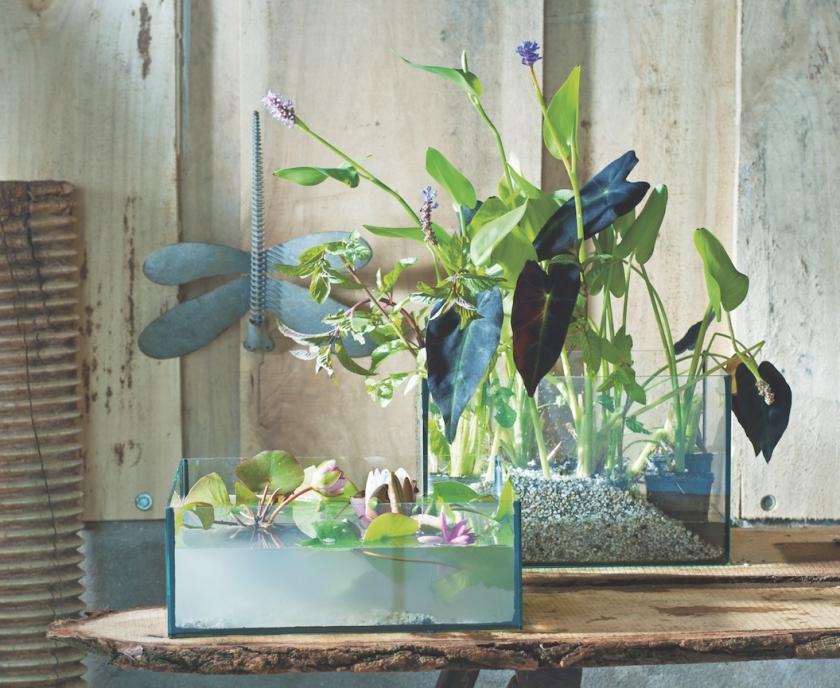
The care to be provided
- At planting, possibly insert a stick of fertilizer for aquatic plants between the roots (for a good recovery of the plant and about 4 months of food).
- Subsequently, pour a pinch of liquid food for indoor plants every two weeks in marsh plants, and food for aquarium plants for submerged and purifying plants.
- When you replace the water (once/month for aquatic plants, once/week for indoor plants and cuttings), clean the walls well to remove the algae.
- Add a little water regularly to your pools. The water evaporates quickly, and if the plants are not well submerged, they decperize.
Which plants to choose?
Hand, floating, submerged … It is above all a matter of taste.
- Count three plants maximum for a container of ten liters.
- In basins mixing several plants and levels (created using stones, broken pots, etc.), it is better to place at least one oxygenating plant. Otherwise, add a few drops of clarifying product for aquariums and pools (for example “aqua clear”) every two weeks to keep the water healthy and without algae.
- The larger the aquarium or the vase, the less the replacement of the water will be frequent. But it will be more difficult to move.
1. Bank plants
Limit the height of the water to 20cm to immerse only the feet. To prevent the plants from becoming too imposing, regularly separate the clod with the roots in several pieces. Only one and give the others or plant them in other containers.
For a high vase, we like:
- Japanese horsetail (Eguisetum Japanicum))
- The water arrow (Sagittaria sagittifolia))
- The iris of the marshes (Iris pseudacorus))
- The Amazon water sword (Echinodorus amazonicus))
For a low vase:
- ECU grass (Lysimachia Nummularia))
- The water candle (Aquaticum orontium))
- The Calla of the Marais (Calla palustris))
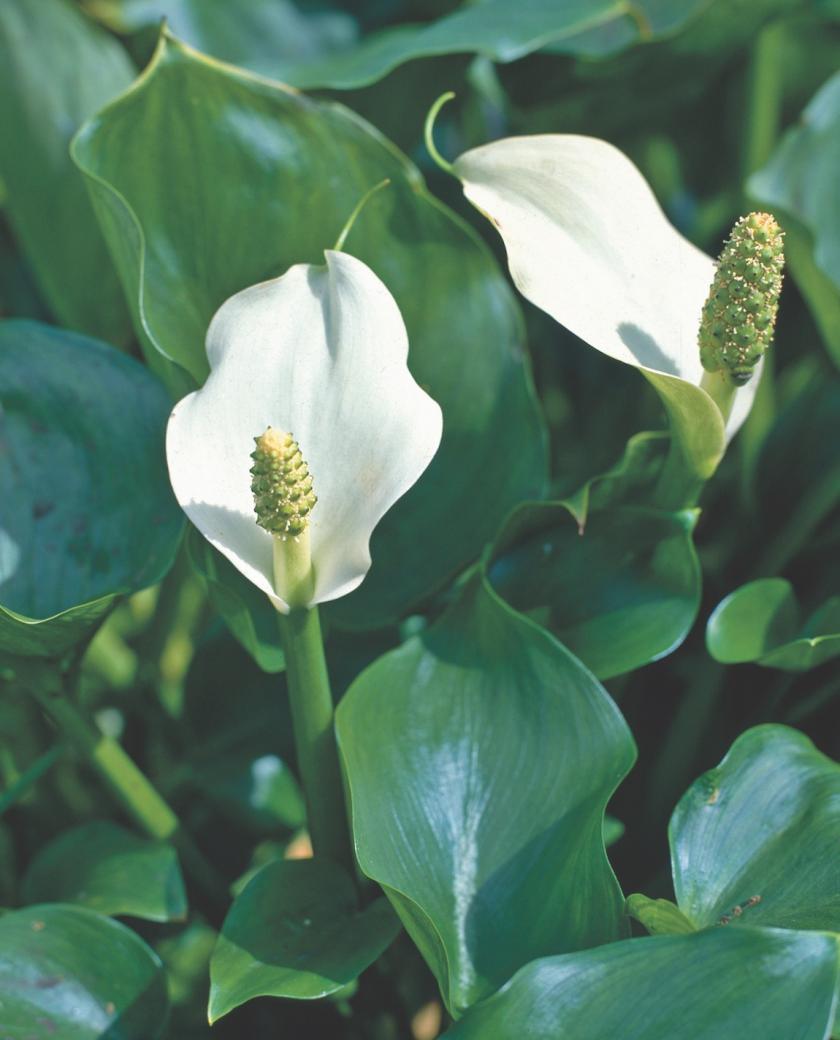
2. Submerged plants
They are rooted at the bottom of the basin or the aquarium and are entirely in water, forming a magical aquatic forest. Their oxygenating role is important. Take them regularly so that they do not become too impressive.
- Our favorite? THE Limnophila Sessiliflora.
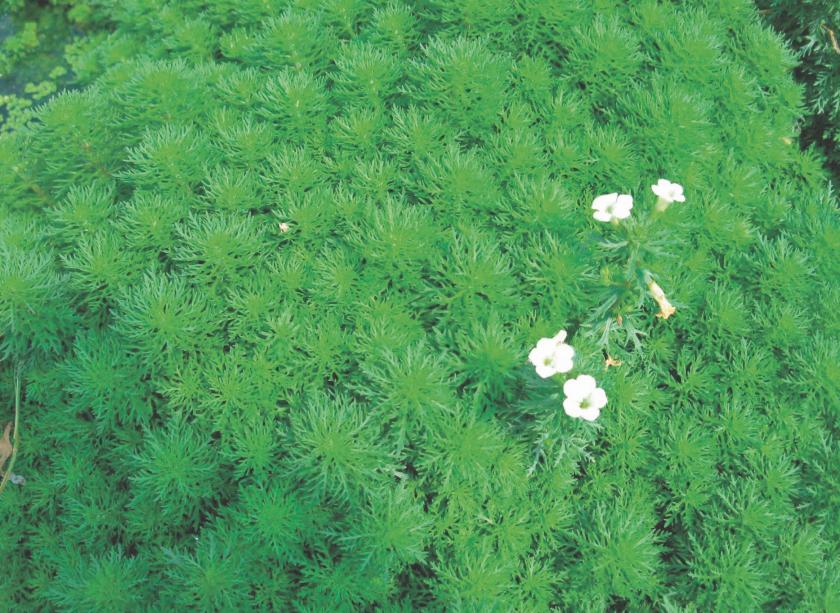
3. Oxygenous plants
They help keep the water crystal clear and avoid the proliferation of algae.
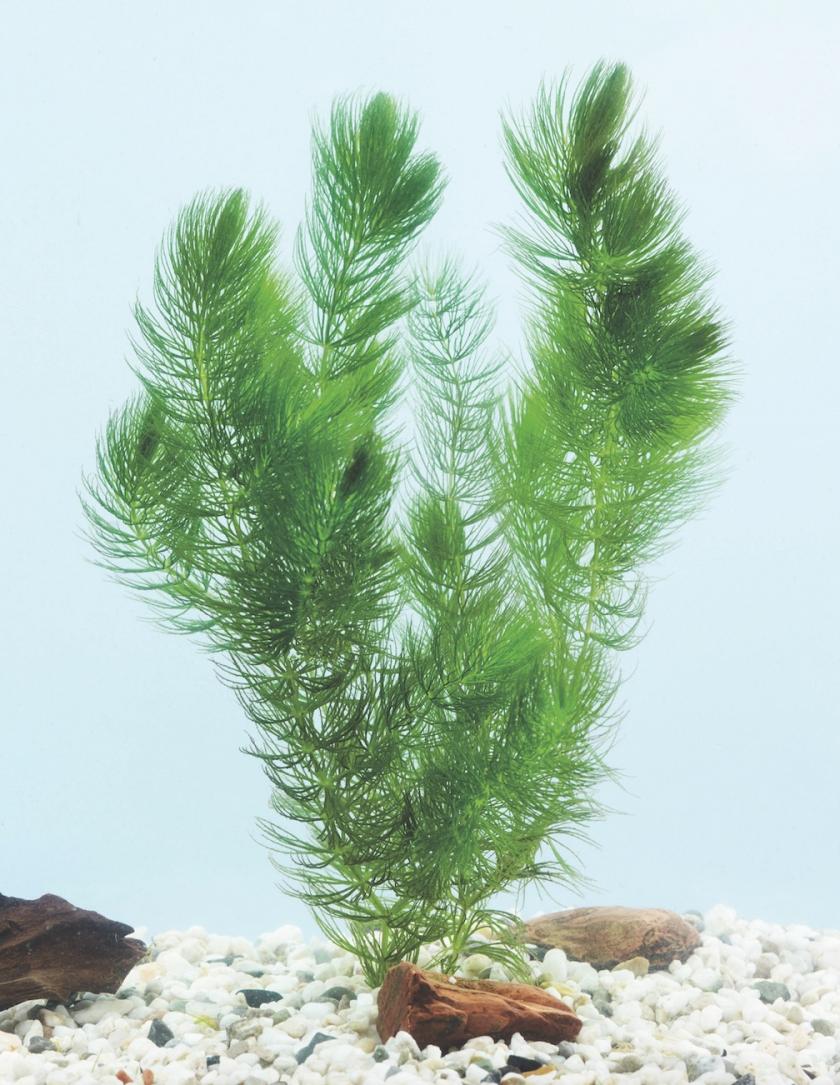
- The myriophyll in epi (Myriophyllum spicatuti))
- India hygraphile (Hygrophila polysperma))
- The Cornifle swimming (Ceratophyllum Demersum))
- The water pesse (Popular hippuporis))
4. Floating plants
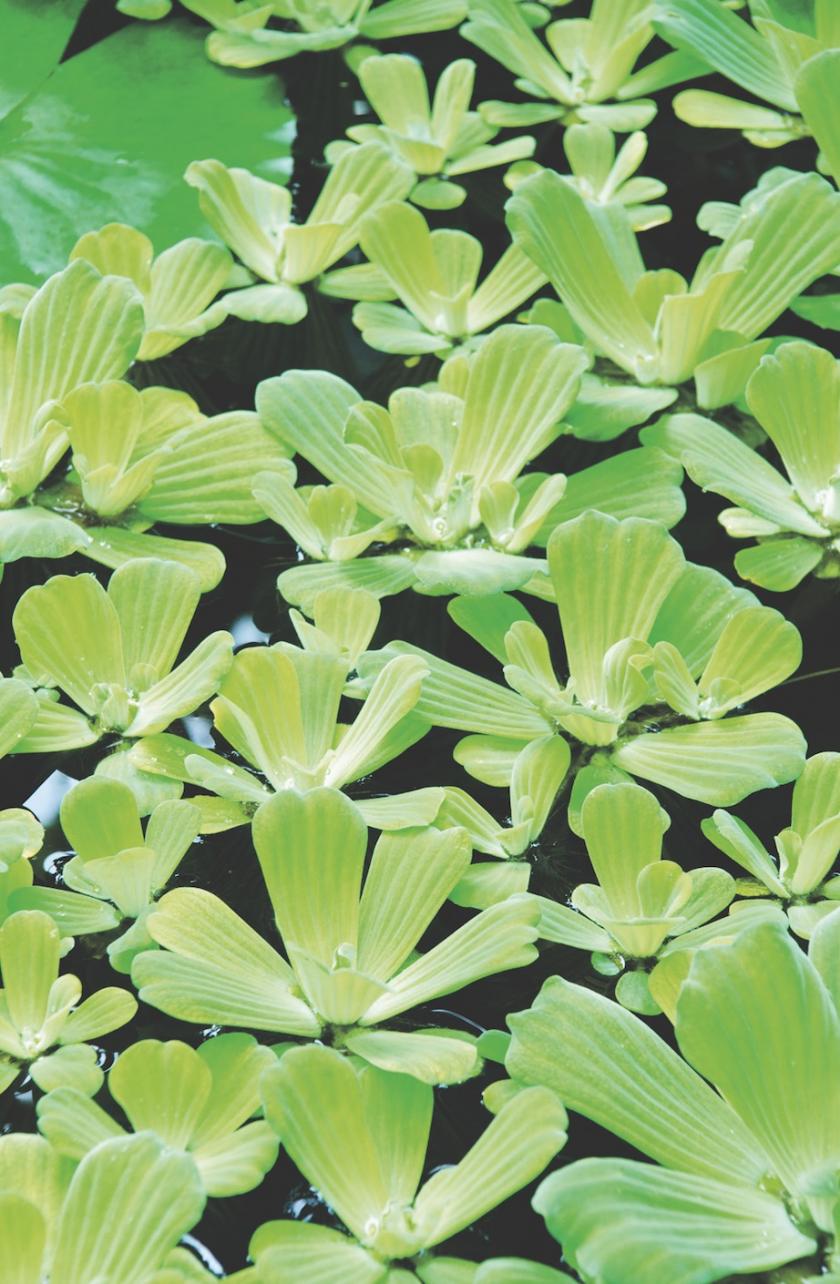
Floating plants flourish on the surface. They are well suitable for low containers.
- Morène or little water lily (Hydrocharis Bord-Frog))
- Salvinie (Salvinia swimmer))
- Water hyacinth (Eichhornia Craspices))
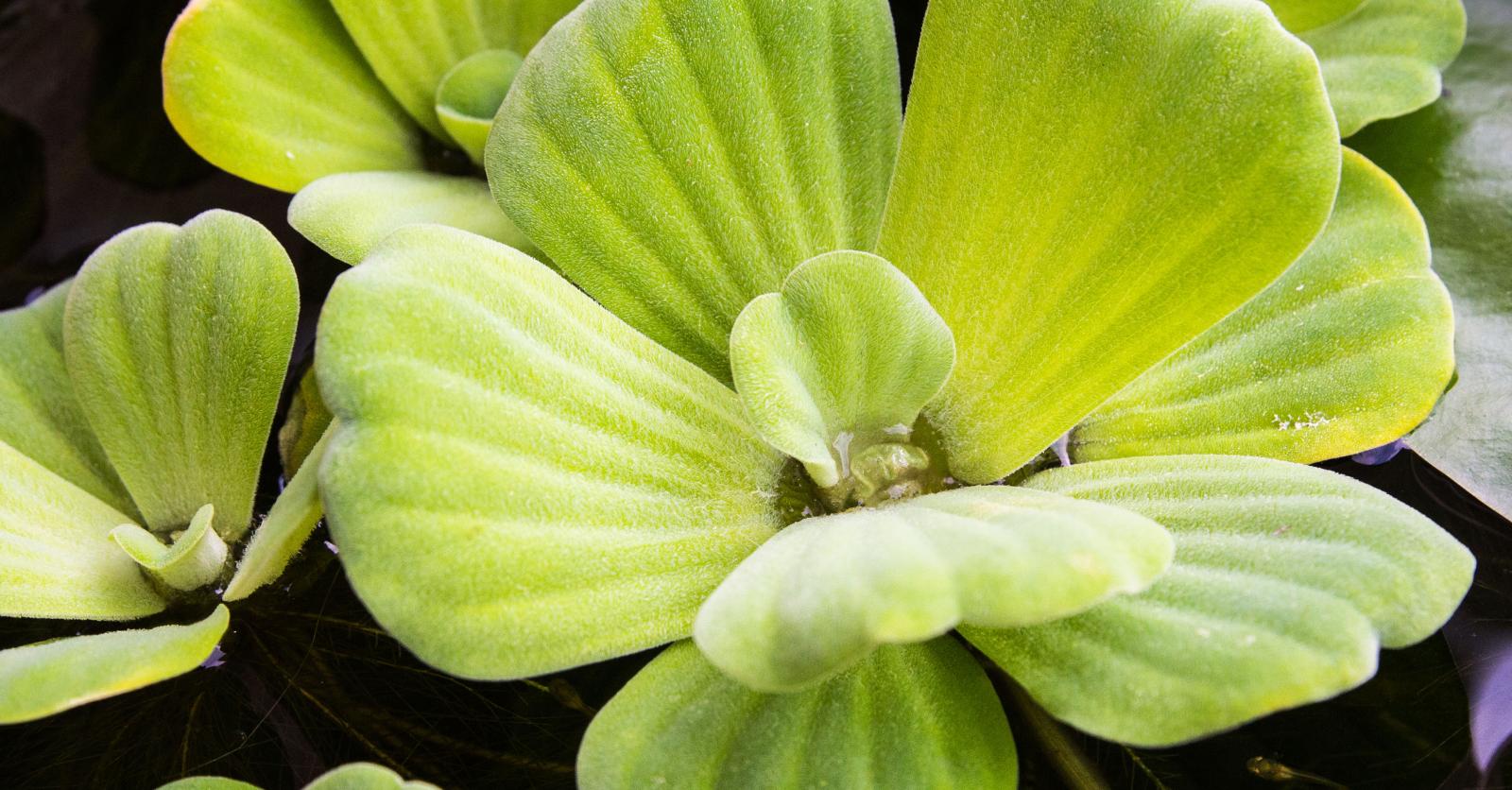
- Water lettuce (Pistia Stratiotes))
Very pretty cuttings
Cutting a plant is the simplest and least expensive way to create a small water garden. It is also very aesthetic.
- Glasses, verrines, yogurt pots or glass jam jars: all small containers do the trick when it comes to leaving the roots visible.
- The list of plants that can be cut is long: impatient, ivy, fuchsia, bégonia, mint, datura, passiflore, sage, bignone, geranium, but also most shrubs like rose, fig, lilac, pink laurel …
- Preferably use rainwater and possibly place a piece of charcoal at the bottom of the water to avoid the appearance of algae. Otherwise, replace the water every two weeks.
- Add a suspicion of colorless lemon lemon “sugar will provide plant food and lemon will prevent the proliferation of bacteria.
- When the plants have enough roots, plant them in a light soil.
It also works with your indoor plants!
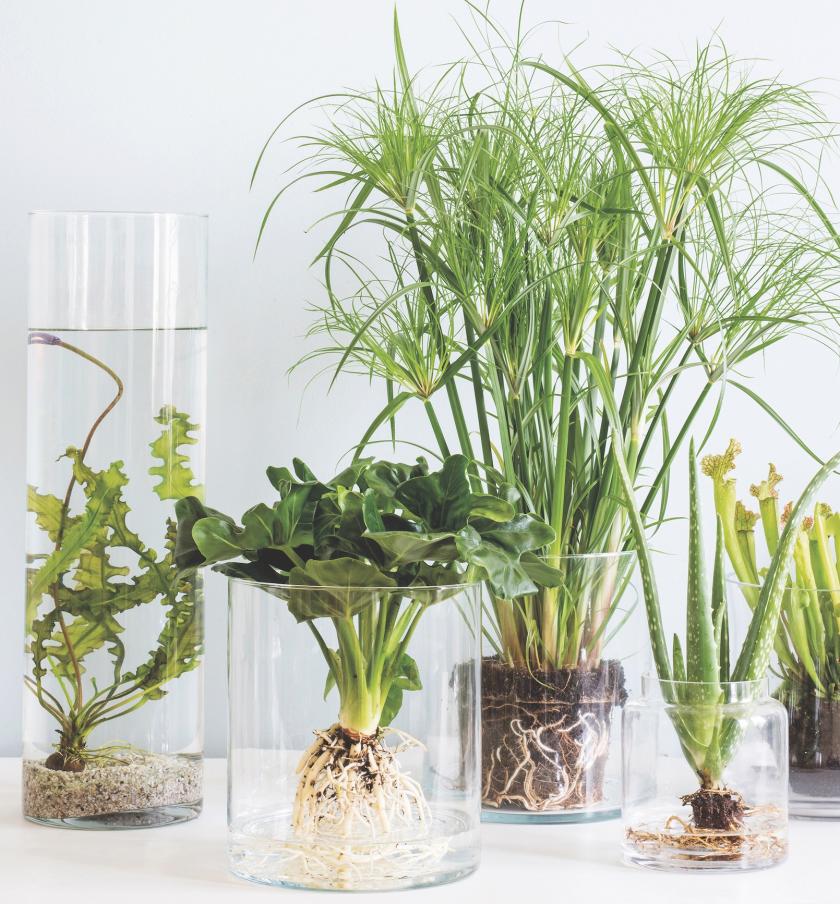
Try an aquatic mini-garden made up of conventional interior plants. They will grow without land or substrate, in water, offering you a nice view of their roots. This system, known as Hydroponia, is used in particular for the cultivation of lettuce, chicory, strawberries. At home, try the experience with ivy, philodendron, begonia, fern, hair chlorophyton, false papyrus or even mint.
- Take the plant out of the pot, remove a maximum of soil by shaking it gently, and pass the roots under the tap so that they are perfectly clean.
- Place the plant in its transparent container.
- Pour mineral water in the bottle so as to cover the roots. If the water remains clear, the plants will flourish there for months.
- Make sure there are no leaves in the water and add a pinch of active vegetable charcoal powder from time to time in the water so that it remains pure.
A water lily at home?
No question of growing a classic water lily inside. But the nurseries specializing in aquatic plants offer varieties of mini-annuphars. Interesting alternative, dwarf lotus, deliciously scented. To flourish, they need a lot of sun and a temperature of about 20 ° C
Text: Laurence Machiels and Renée Baguette.
You will also like:
Recipes, fashion, decor, sex, astro: follow our news on Facebook and Instagram. Excluded: our latest items via email.
Travel Source
Discover the world easily and comfortably with Merpati Airlines. From comprehensive travel guides and dream destination recommendations to practical tips, we provide everything you need to plan the perfect trip. Explore exotic locations, find the best deals on flights and hotels, or uncover travel packages tailored to your style. With interactive maps, traveler reviews, and authentic local insights, we’re your trusted travel companion. Start your adventure today!